Alpine Infrastructure Engineering

Disciplined Maintenance for Aerial Ropeways & Ski Lifts

When high-alpine weather bites and thousands of skiers head up the mountain, mechanical failure isn't just an inconvenience—it's a massive operational crisis. We examine the engineering, non-destructive testing, hydraulic servicing, and scheduled vigilance that keep surface tows, chairlifts, and gondolas spinning with uncompromising safety.

Technical Guides & Field Methodologies

Core Focus Areas in Lift Maintenance

Explore our deep dives into ropeway integrity, daily compliance routines, heavy mechanical servicing, and pre-winter verification.

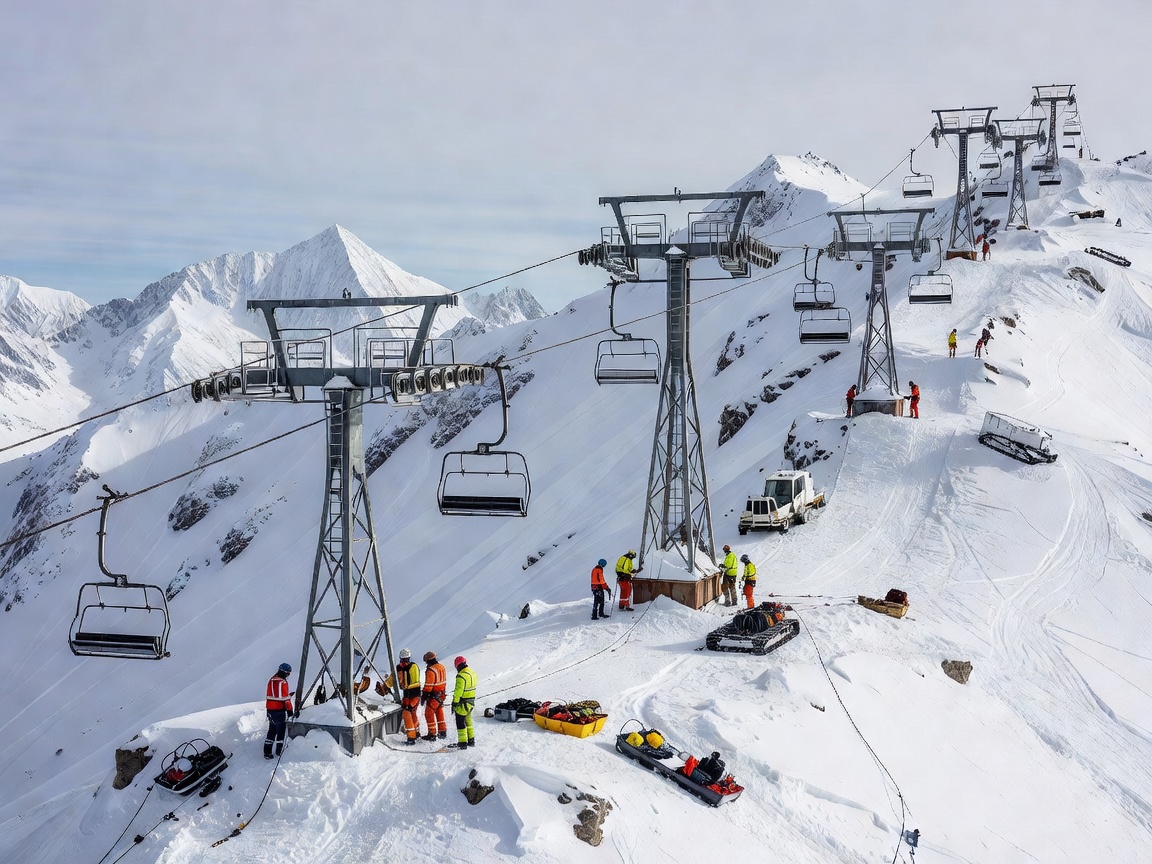
Mountain ski lift towers spanning steep snowy ridge during technical maintenance hours
Scheduling Record-Keeping

Preventative Maintenance Planning

From operating-hour milestones to off-season teardowns, a methodical schedule turns unexpected mid-winter downtime into planned off-peak wrenching. Discover how wear-monitoring protocols keep gearboxes, bearings, and grip carriages within safe engineering tolerances.
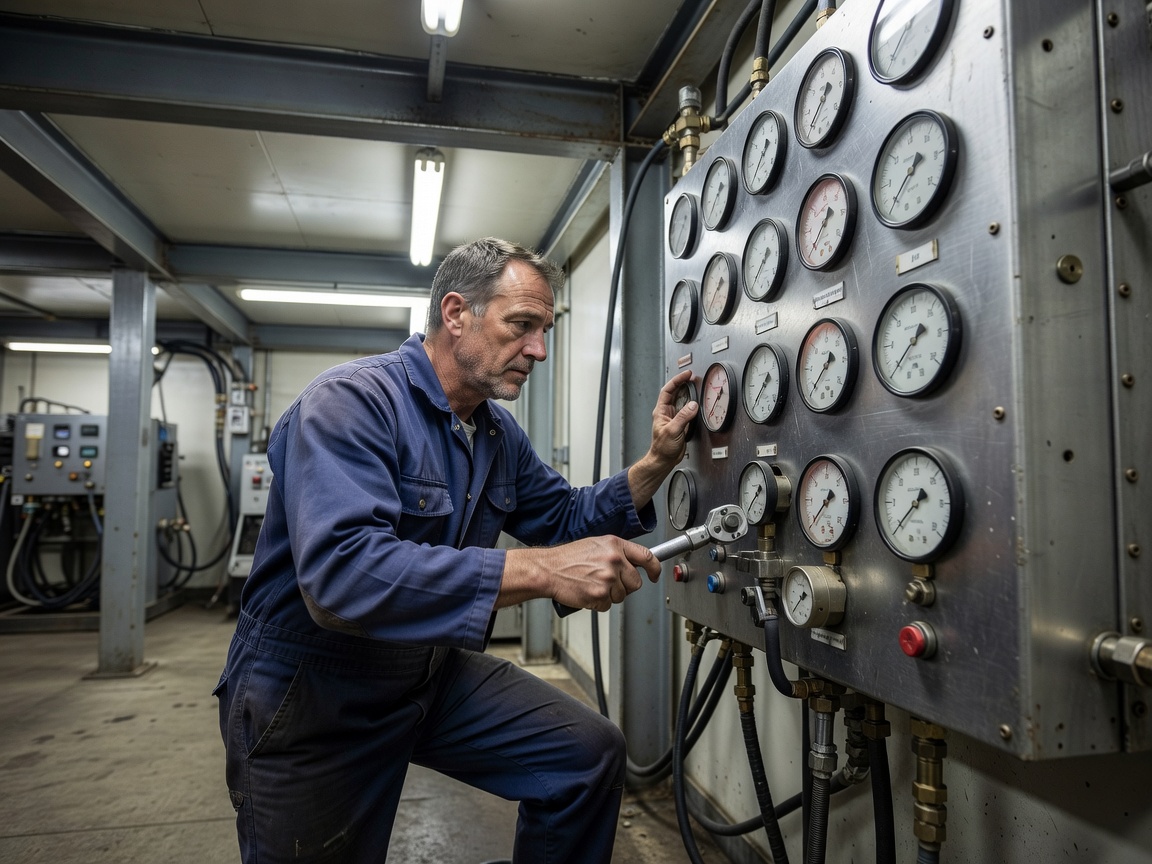
Lift technician checking hydraulic grip pressure gauges inside lift terminal station
Safety Compliance NDT Testing

Lift Inspection & Safety Checks

Safety switches, grip testing, wind anemometers, and emergency braking systems are non-negotiable. Learn the mechanics of pre-operation morning rounds, electrical bypass verification, and the paper trails required by alpine regulatory bodies.

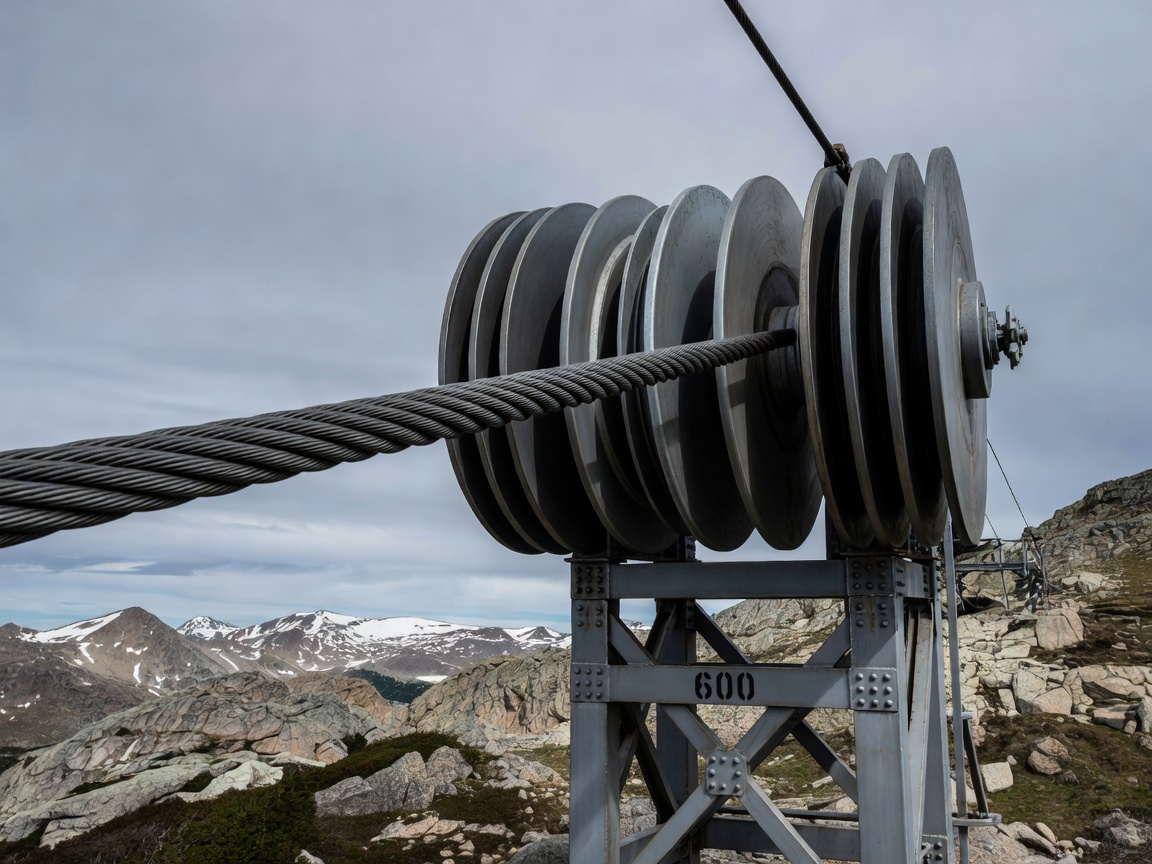
Heavy steel wire haul rope traveling across sheave battery wheels on mountain lift tower
Haul Ropes Hydraulics & Drive

Rope, Sheave & Drive Systems

The heart of any ropeway is its continuous steel cable and mechanical driveline. Review the maintenance realities of sheave liner wear, electromagnetic rope testing (MRT), splice integrity, bullwheel bearing grease analysis, and main gearbox backstops.

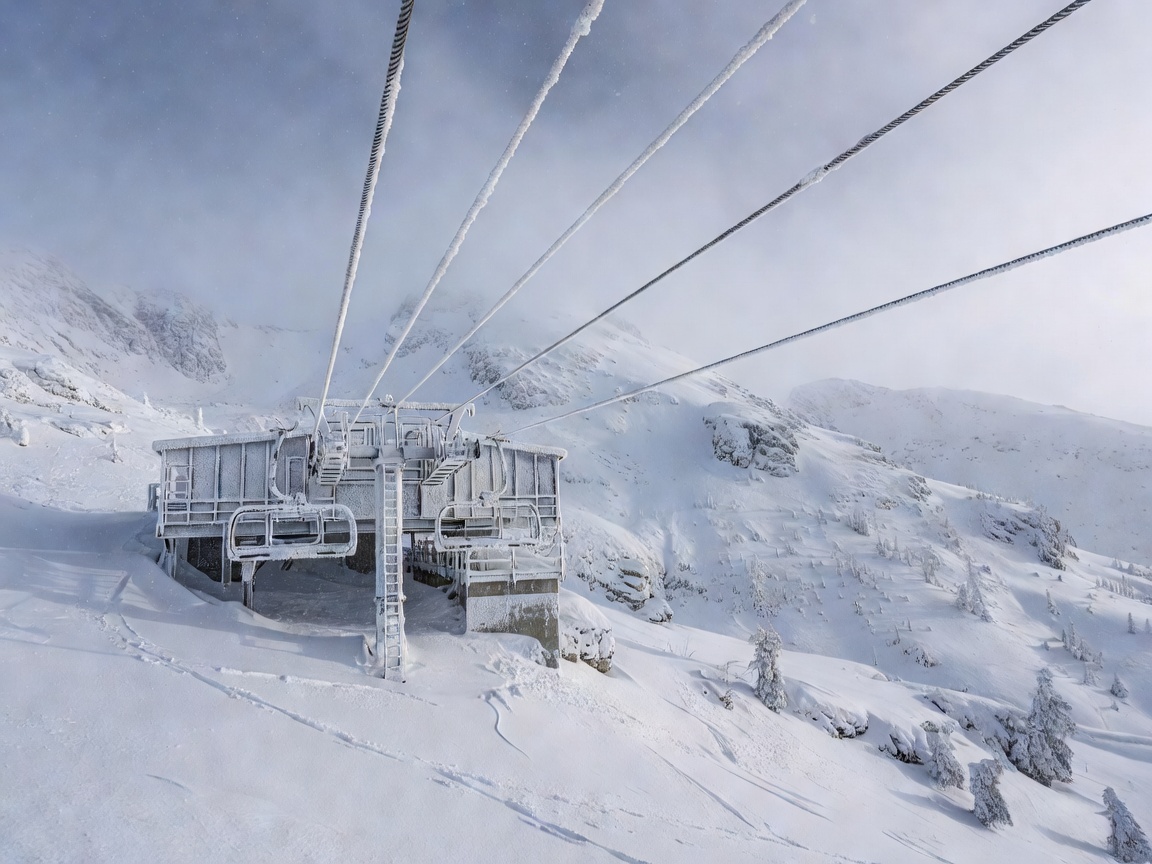
Sub-zero winter mountain landscape with frosty ski lift terminal and haul cables
Sub-Zero Ops Load Testing

Pre-Season & Winter Readiness

Before public cabins swing out of the terminal, the mountain team executes dynamic braking trials, auxiliary engine spin-ups, and de-icing sweeps. We detail the crucial pre-winter checklist that separates smooth opening weekends from frantic dispatch calls.

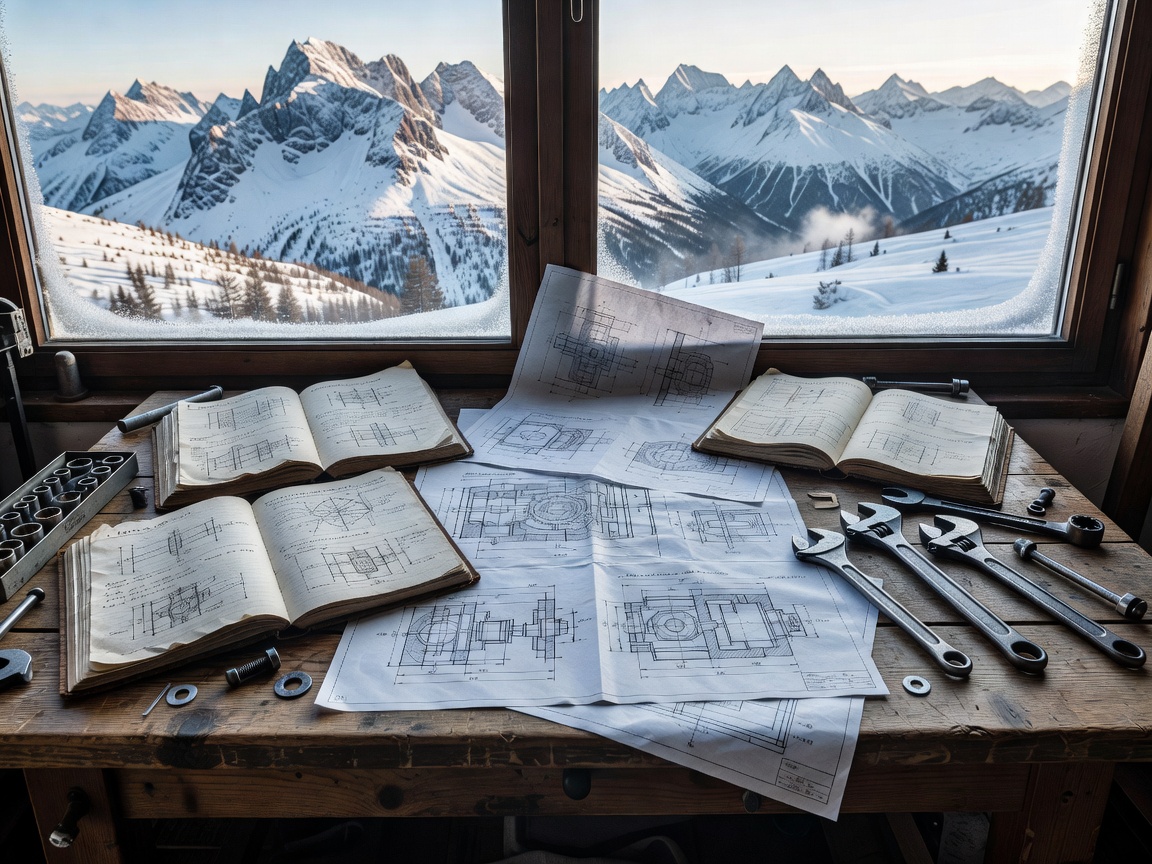
Detailed technical maintenance logbooks and mechanical blueprint schematics on an alpine workshop desk
Asset Management CapEx Planning

Maintenance Strategy & Lifecycle Costs

Should you rebuild a 20-year-old planetary gearbox or spec a new low-noise drive package? Compare the real-world economics of run-to-failure versus condition-based monitoring, downtime costs, and 30-year ropeway asset capitalization strategies.

Operational Reliability

Why Rigorous Maintenance Culture Prevails

Ropeways operate in punishing environments: gale-force winds, thermal contraction, heavy moisture cycling, and constant cyclical mechanical loading.

01

Zero Unplanned Stoppages

A chairlift stopped dead with three hundred guests in sub-freezing temperatures is an immediate safety emergency. Systematic component monitoring catches micro-fissures and hydraulic decay long before a tower line trips.

02

Extending Haul Rope Longevity

Steel haul ropes cost hundreds of thousands of dollars to replace and splice. Balanced sheave alignments, correct rubber liner durometers, and precise lubricating regimes double rope lifespan while preventing strand fatigue.

03

Full Regulatory Integrity

Operating permits require immaculate, auditable logs. Thorough maintenance protocols give resort operations, mountain safety directors, and civil engineering inspectors ironclad confidence that every emergency brake will drop true.